
PVC Decking
PVC decking is a fully synthetic decking material designed for environments where moisture resistance, durability, and low maintenance are priorities. Unlike wood or wood-composite products, PVC boards contain no organic material, which changes how they respond to rain, humidity, standing water, and long-term weather exposure.
For homeowners throughout King County, PVC decking is often considered for decks exposed to frequent moisture, shaded conditions, or locations where minimizing maintenance is an important goal. Understanding how PVC differs from composite and wood decking can help determine whether it is the right fit for your project.
What Is PVC Decking?
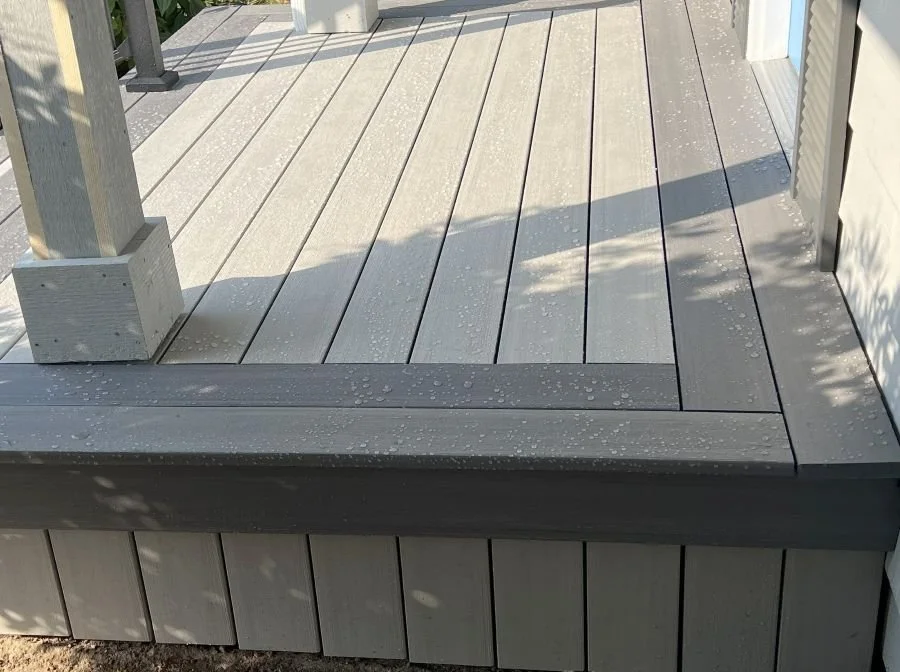
PVC decking is manufactured entirely from synthetic polymers. There is no wood fiber, sawdust, or cellulose content. That single characteristic drives most of its performance traits.
Because PVC does not absorb moisture, it behaves differently than wood or composite materials when exposed to rain, humidity, or standing water. The boards are molded rather than milled, which allows for consistent profiles, capped surfaces, and uniform coloring.
Key Characteristics and Performance Traits
Moisture resistance
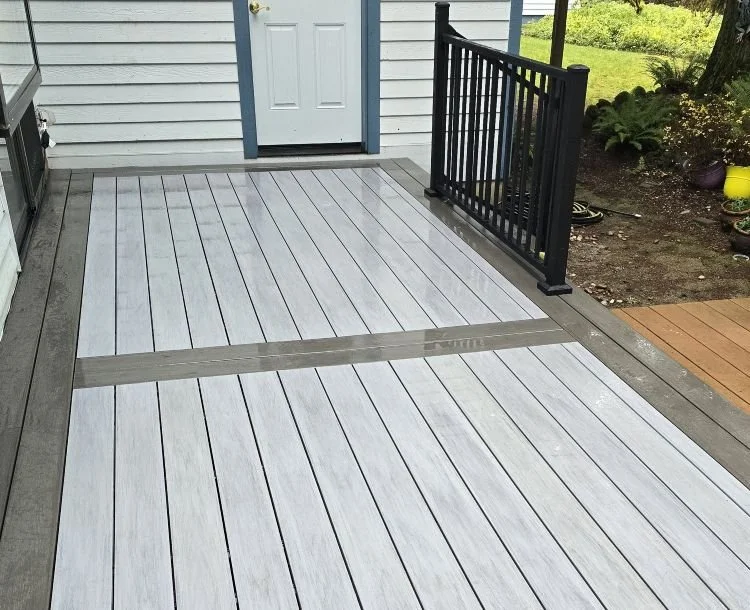
PVC does not swell, rot, or wick water. This makes it well suited for environments where drainage, shade, or frequent moisture are concerns.
Low maintenance
Routine cleaning is typically limited to surface debris and occasional washing. There is no sealing, staining, or refinishing cycle.
Stain and fade resistance
Most PVC boards are engineered with protective surface layers that resist common stains and slow UV-related fading over time.
Lightweight structure
PVC boards are generally lighter than composite alternatives, which may be relevant in some installation scenarios, even though this page does not address installation.
Uniform appearance
Because the material is manufactured rather than milled from wood, color and texture tend to be consistent from board to board.
PVC Decking in Pacific Northwest Conditions
Western Washington's climate presents unique challenges for outdoor structures. Frequent rainfall extended wet seasons, and shaded environments can increase moisture exposure throughout the year.
Because PVC decking does not absorb water, it performs consistently in conditions where traditional wood decking may require more maintenance. This makes it a common consideration for elevated decks, decks surrounded by landscaping, waterfront properties, and outdoor living spaces where long-term moisture exposure is expected.
Material selection should always be evaluated alongside structural design, drainage planning, ventilation, and overall deck construction practices.
Which Deck Service Is Right for Your Project?
PVC decking is often selected for deck replacement, remodeling, and new deck construction projects where moisture resistance and low maintenance are priorities.
If you're comparing decking materials as part of a larger project, explore our complete guide to deck construction, remodeling, repair, waterproofing, railing systems, and specialty deck services.
→ View Deck Services in King County
Where PVC Decking Performs Best
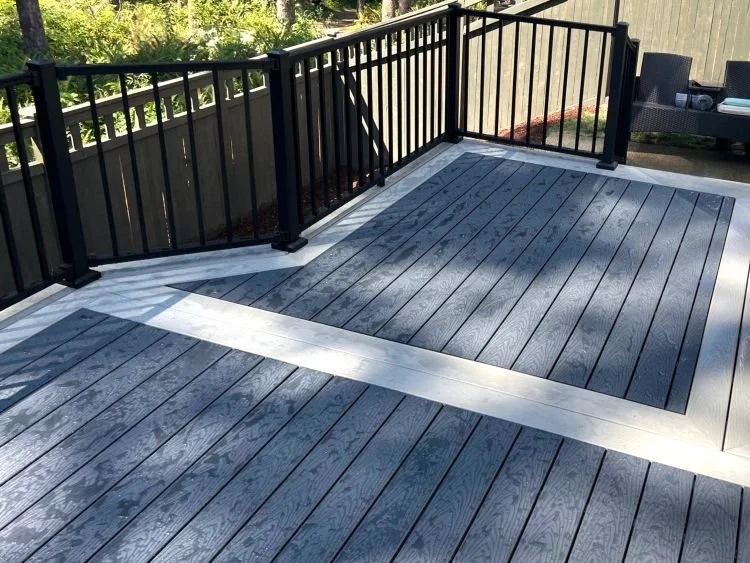
PVC decking performs well in environments with frequent moisture exposure or limited airflow. Common settings include shaded areas, decks near landscaping, and hot tub and pool deck installations where surface moisture is frequent.
Because the material does not absorb water, it maintains consistent appearance and performance in these conditions.
Comparing PVC Decking to Other Material Options
Every decking material offers different advantages.
PVC decking is often selected for moisture resistance and low maintenance requirements. Composite decking remains a popular choice for homeowners seeking a balance of durability, appearance, and value. Cedar decking continues to appeal to homeowners who prefer the appearance of natural wood and are comfortable with ongoing maintenance.
The best material depends on project goals, exposure conditions, maintenance expectations, and budget considerations rather than any single performance characteristic.
View Composite Decking
View Cedar Decking
Maintenance Considerations
PVC decking is designed to reduce maintenance effort, not eliminate care entirely. Dirt, pollen, and debris still accumulate on any outdoor surface. Periodic cleaning helps maintain appearance and traction.
Because this material does not absorb moisture, maintenance is focused on surface cleanliness rather than material preservation.
Recent PVC Deck Project
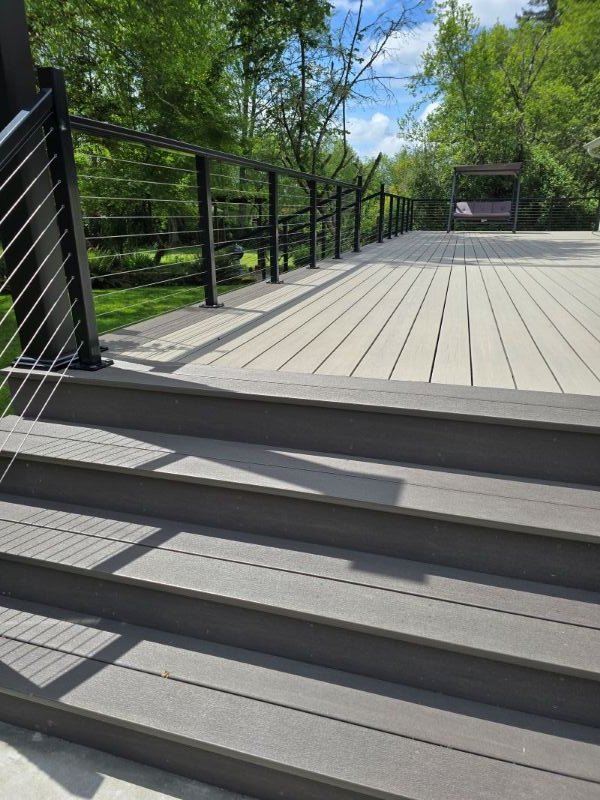
A recent project completed by Petra Decks included PVC decking installation with upgraded railings and stair improvements designed for long-term durability and reduced maintenance.
The project demonstrates how PVC decking can be used to create a clean, consistent appearance while performing well in Pacific Northwest weather conditions.
→ View Portfolio Projects
If you’re comparing PVC with other decking materials and want clarity on how each option fits your goals, a consultation can help review differences.