
Cedar Decking Explained
Cedar decking is a natural wood material valued for its appearance, aroma, and traditional feel. Unlike synthetic decking options, cedar is an organic material that responds visibly to weather, time, and maintenance choices.
What Is Cedar Decking?
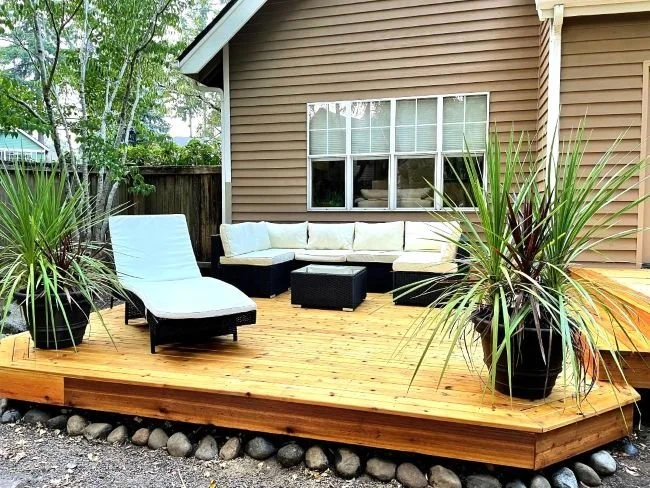
Cedar decking is produced from softwood lumber known for its natural resistance to decay and insects. Its cellular structure contains oils that slow rot and reduce insect activity compared to many other wood species.
Because cedar is a natural material, no two boards are identical. Grain pattern, color variation, and texture are inherent characteristics rather than manufacturing inconsistencies.
Key Characteristics and Performance Traits
Natural appearance
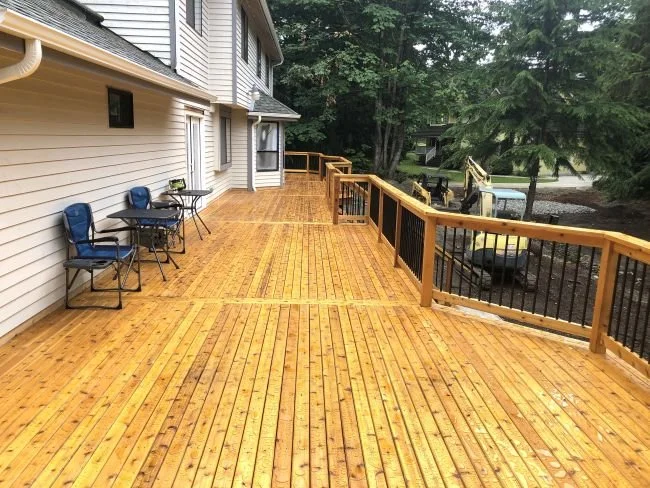
Cedar offers color variation and grain patterns that commonly associated with traditional outdoor aesthetics. These visual qualities change over time as the wood weathers.
Lightweight wood structure
Compared to many hardwoods, cedar is relatively light, which contributes to its historical popularity in deck construction.
Organic response to moisture and sun
Cedar absorbs and releases moisture naturally. This means it expands, contracts, and ages in response to environmental exposure.
Aging and patina development
Without surface treatments, cedar gradually shifts to a silver-gray tone. This appearance is a known characteristic of the material.
Repairability
Individual boards can often be replaced or refinished over time, which some homeowners consider when evaluating long-term ownership.
Where Cedar Decking Performs Best
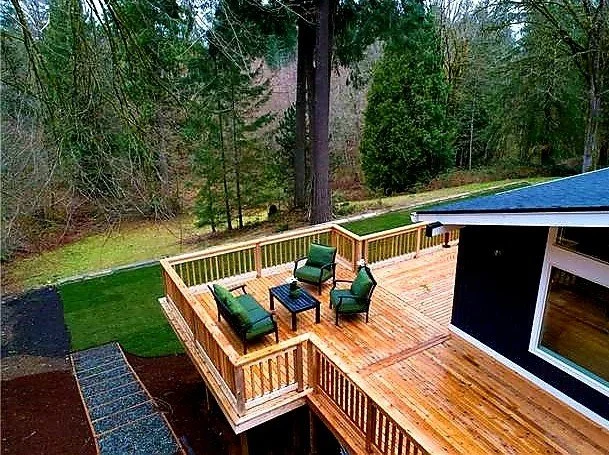
Cedar decking performs best in environments where natural appearance and traditional materials are prioritized. It is commonly used as part of deck replacement projects where customization, visual warmth, and craftsmanship are valued, and where regular maintenance is part of long-term ownership expectations.
Because cedar is a natural wood product, its appearance and performance change over time in response to weather and care.
You can view completed projects in our portfolio to see how cedar decking looks in real-world applications as it’s installed and ages naturally.
When Homeowners Consider Alternatives
Cedar decking differs from synthetic materials in how it responds to moisture, sunlight, and maintenance. In consistently damp or shaded environments, materials that do not absorb moisture behave differently over time.
Reviewing material characteristics side by side helps clarify long-term differences without assuming one option is universally better.
Maintenance Considerations
Cedar requires ongoing attention to manage weathering, surface wear, and moisture exposure. Cleaning, sealing, or staining choices influence both appearance and longevity.
Maintenance expectations are an important part of evaluating cedar, as the material’s performance is closely tied to how it is cared for over time.
If you’re comparing natural wood with synthetic decking and want clarity on how those differences affect long-term ownership, a consultation can help review options.